Independent QA · UAT · ERP
Before release, test the work your software needs to do.
Independent testing and business-process validation for software teams, ERP vendors and businesses. I help you validate features, releases and applications against real requirements, however they were built.
- 01Requirement
- 02Workflow
- 03Checkpoint
- 04Validated
Test the release. Check the business process.
Software QA and acceptance testing are the core. ERP testing and consulting build on years of hands-on work with ERP systems and the people who use them.
Software QA & Testing
Structured testing of web and business applications before and after release, with findings your developers can reproduce and act on.
Typical work
- Functional & regression testing
- Smoke and release testing
- Critical user journeys
- Exploratory testing
- Clear, reproducible bug reports
- API and data consistency checks where applicable
User Acceptance Testing (UAT)
Independent validation that an application does what it was meant to do, against requirements, acceptance criteria and the workflows real users follow.
Typical work
- Requirement and acceptance-criteria checks
- End-user workflow validation
- Traditionally developed software
- Prototypes and no-code apps
- AI-assisted applications
ERP & Business Process Testing
End-to-end validation of the processes an ERP is meant to support, understanding both the software and the business behind it.
Typical work
- End-to-end workflows
- Business rules and calculations
- Data flows between modules
- Module interactions
ERP Consulting
Support before and around testing: making requirements clear and workflows testable. Not software development or full ERP implementation.
Typical work
- Requirements clarification
- Workflow and process review
- Acceptance criteria
- UAT preparation
A second pair of eyes. Findings you can act on.
The people who build software know how it is supposed to work, which makes it hard to see where it doesn't. An independent tester approaches the application the way your users and your business will.
- Fresh perspective
- No assumptions inherited from the build. Workflows are tested as a user would meet them.
- Documented findings
- Every observation is written down, prioritised and easy to follow up, not lost in a chat thread.
- Reproducible bugs
- Clear steps, expected and actual results, and context, so developers spend time fixing rather than guessing.
- Real requirements
- Validation against what the business actually needs, not only against what was implemented.
Agree the scope. Test it. Report what happened.
- 1
Understand
Understand the application, its users and the requirements behind it.
- 2
Agree scope
Agree on scope, testing priorities and a realistic time estimate.
- 3
Test & document
Test real workflows and document findings as the work progresses.
- 4
Report
Deliver a clear report with actionable observations and next steps.
Nearly ten years inside a custom ERP environment.
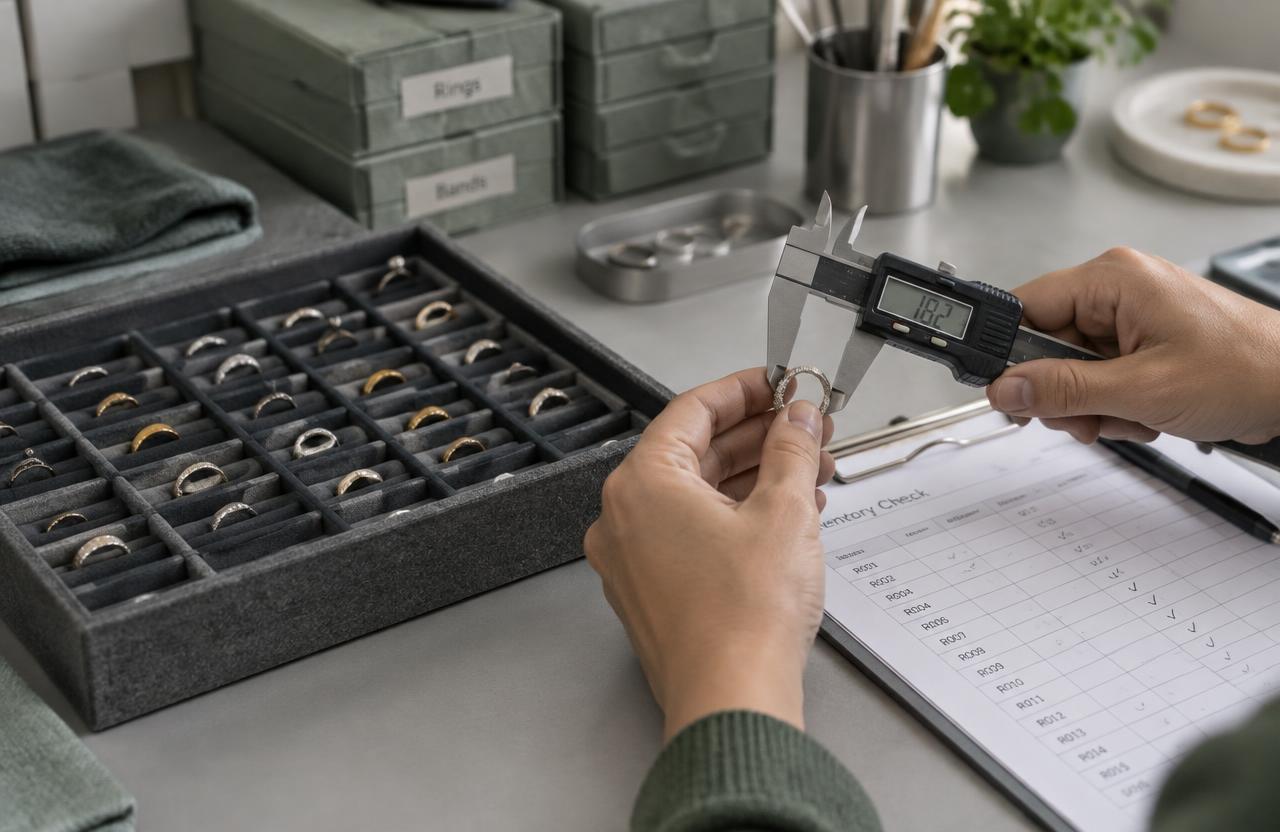
DOKRAVE is built on close to a decade of work at a custom ERP software company, testing software, understanding business processes and working directly with customers.
That work meant collaborating with hundreds of businesses and professionals in the jewellery industry internationally, with clients in North America, New Zealand, Australia, Japan and South Africa.
The result is a practical understanding of how software and day-to-day operations meet: where workflows break, where requirements are ambiguous, and what users really need.
- ~10 years
- in a custom ERP software company
- International
- North America, New Zealand, Australia, Japan, South Africa
- Domain depth
- Jewellery-industry workflows
The service is open to every industry. The approach to understanding a business process and testing it carefully transfers well.
One release or a regular place in your QA cycle.
Work is arranged on an hourly basis. Where possible, scope and a time estimate are agreed in advance, so you know what to expect before testing begins.
Rates are shared on request, based on the scope of the work.
One-off projects
A release, a new feature, a prototype or a UAT round before go-live.
Ongoing QA support
Regular testing alongside your development or implementation cycle.
What needs to be tested?
Share a little about the application and what you'd like tested. You'll get a reply with questions or a proposed next step.
Prefer email? Write to
hello@dokrave.com